Do You Need a Concrete Slab for a Shed? Foundation Options for Sheds, Portable Garages, & More in Indiana
July 1, 2026
Carports vs. Portable Garages: Which Is Right for Your Vehicle & Property?
September 1, 2026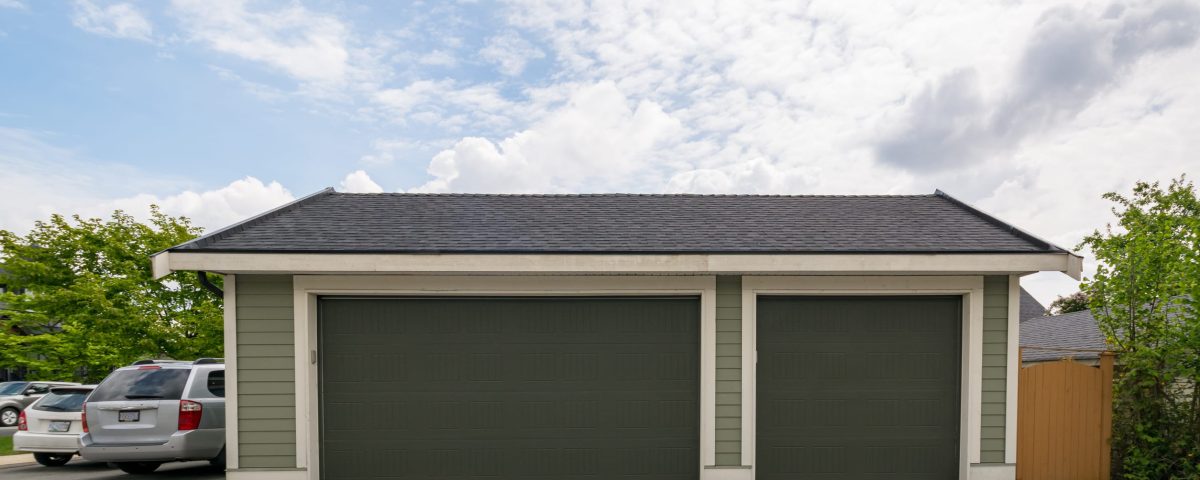
Your car is one of the biggest investments you own. So when it sits outside night after night, facing Indiana’s winters, road salt, hailstorms, and summer sun, the question isn’t whether you need a garage. It’s whether you can afford not to have one.
For most homeowners, a traditional, permanent garage feels out of reach. That’s when many start to look toward portable garages. With their budget-friendly nature, flexibility, customizability, mobility, and shortened timeline, portable garages have proven again and again to be a sound investment for Indiana homeowners.
What is a portable garage?
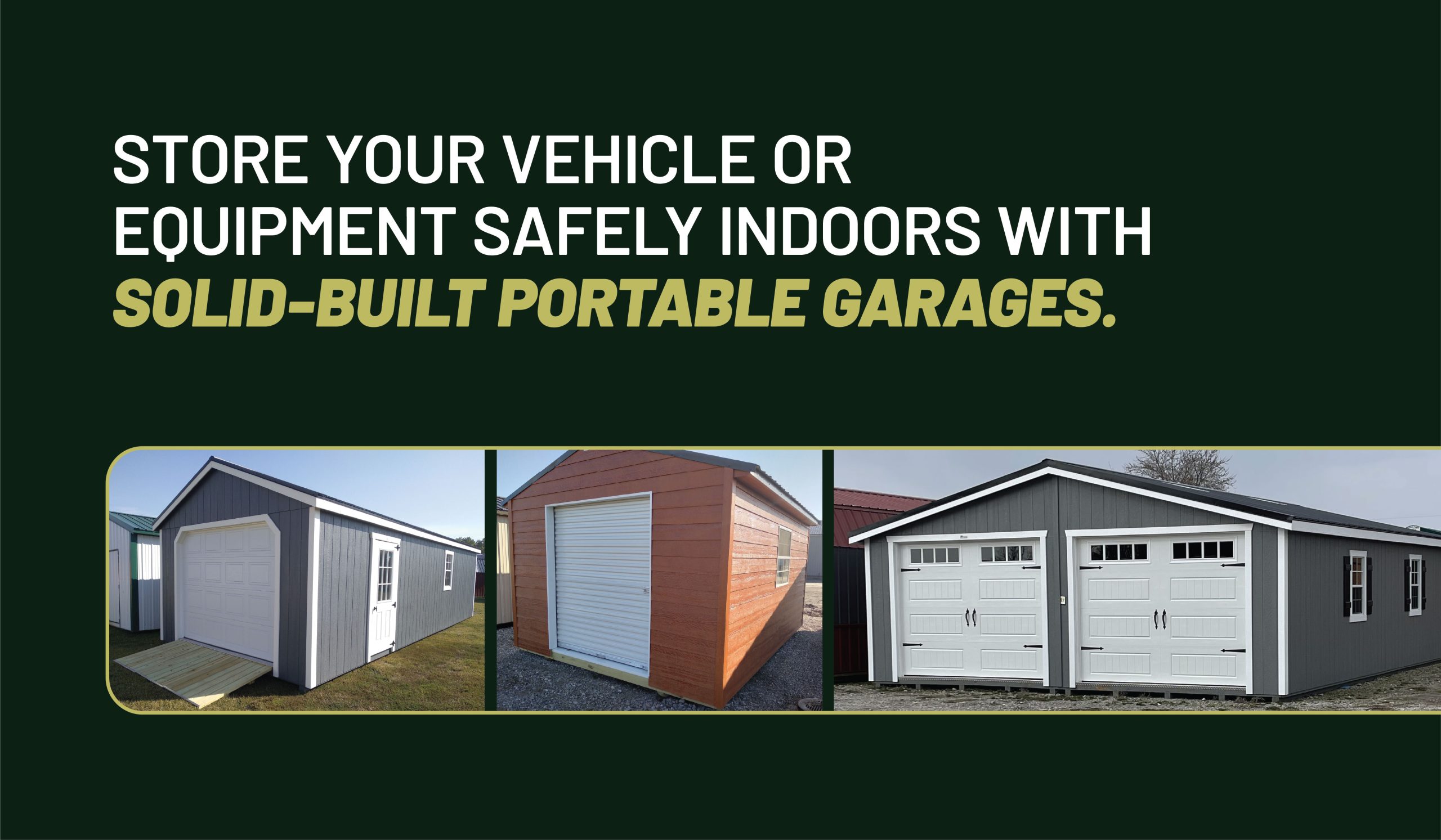
A portable garage, also known as a prefab garage, is a freestanding structure built offsite and delivered to your property. Instead of requiring a foundation, months of construction, or a general contractor like traditional garages, a portable garage arrives ready to be placed and used.
Amish-built portable garages like those at Little Fawn are constructed using quality wood framing, durable siding, and solid roofing materials—offering the same craftsmanship you’d expect from a permanent structure without the 6-month wait or five-figure construction bill.
Portable garages come in a wide range of sizes and configurations, including:
- Single-car garages
- Two-car or double-wide garages
- Lofted garages with upper-level storage
- Custom sizes built to your exact specifications
Are portable garages worth it?
While this depends on your specific situation, the general answer is yes. For most homeowners, a quality, Amish-built portable garage is absolutely worth the investment.
That said, like any major purchase, portable garages come with both advantages and potential drawbacks. Before making a decision, it's important to weigh the pros and cons of portable garages to determine whether they’re the right fit for your needs and property.
Pros of Portable Garages
Cost
As with any home improvement project, cost is a major factor. The cost to build a garage in Indiana ranges from $16,000 to $42,000, with prices going even higher for a two-car garage. A comparable portable garage can come in well below that price range, saving you tens of thousands of dollars.
Plus, portable garages generally don’t require a full concrete foundation, permits, or a contractor, meaning the total out-of-pocket cost is drastically lower.
Some builders like Little Fawn also offer rent-to-own financing that can keep your upfront costs low and allow you to start protecting your vehicles even sooner.
Build Time and Delivery
Time is one of the most overlooked factors when comparing garage options. A traditional garage build typically takes anywhere from two to four months to build, depending on the size. And that’s assuming permits clear, the weather cooperates, and your contractor stays on schedule.
Prefab or portable garages offer a much shorter timeline. These garages are constructed offsite at your provider’s facility. Once you select or customize your building, it gets delivered directly to your property—which Little Fawn will do for free for the first 30 miles. That means you could go from browsing inventory to having a garage on your lot in a matter of weeks, not months.
Customization
Portable garages don’t have to be one-size-fits-all solutions. Facilities like Little Fawn give you the opportunity to customize and design a garage that fits your specific needs. Whether you need a tight single-car footprint that fits a narrow lot or a large two-car garage with room for a workbench and lawn equipment, there’s a building that fits. You can even use our 3D design tool to visualize your custom structure before it’s built.
Mobility
A traditional garage is permanent. If you decide to move in the next few years, you have to leave it behind and start the process over in your new place.
Just as the name suggests, a portable garage can move with you. For homeowners who are renting, may relocate in the next few years, or want the flexibility to reposition the structure on their property, this is a meaningful advantage. Instead of investing tens of thousands of dollars in a permanent structure that adds value to land you won’t own in the coming years, a portable garage can travel with your household.
Low Maintenance
More often than not, portable garages need far less upkeep than their permanent counterparts. While you may have to provide a traditional garage with regular structural maintenance, a prefab garage will likely only need occasional cleaning, roof clearing, and inspection of the cover material and frame connections.
Cons of Portable Garages
Optional Foundation
Again, a portable garage doesn’t require a permanent foundation like a concrete slab. While this is usually an advantage, it can also mean that your structure isn’t as stable as it could be. With strong weather, like Indiana’s severe thunderstorms, you could see your structure shift slightly.
With this in mind, while not required, it’s suggested that you do create some form of foundation for your portable garage. A well-leveled gravel pad, for example, can provide excellent drainage and stability without the high costs of a traditional concrete slab.
Durability Concerns
Perhaps the biggest hesitation people have with a portable garage is the quality and durability. Will it hold up in Indiana winters? Will it feel flimsy? Will it look cheap?
These are fair questions, and the answer depends on who built it. Little Fawn’s portable garages are Amish-built with quality lumber, durable siding, and solid roofing. These aren’t the thin-walled portable garages you’d find in a big box store’s parking lot. They are solid wood or metal structures designed to withstand the elements for decades when properly maintained.
Portable Garage vs. Traditional Garage
While at their core they serve the same purpose, a portable garage and a traditional garage differ in a few key places such as cost, foundation requirements, mobility, and timelines. Overall, a portable garage tends to be more appealing in these areas with a lower cost, no necessary foundation, flexibility, and a shorter timeline.
However, a traditional garage is still the better choice in some situations. If you plan to stay in your home for 20+ years and want a fully attached garage with climate control, a finished interior, or a second story, the investment in a permanent build may be worth it.
That said, for many Indiana homeowners who want to protect vehicles, store equipment, or create a solid workshop space at an accessible price point, a portable garage is the more practical and cost-effective solution.
FAQs
Little Fawn is a local full-service lumber yard and distributor of building materials, roofing materials, storage sheds, hardware, ammo, and more.
As people that grew up in the construction industry, we understand that when you need something for a project—you need it now and can’t wait weeks for delivery! That’s why our main goal is to help you easily find what you need, get helpful advice, and receive quick delivery.
Contact us today to get what you'll need for your next building project. Don’t forget to check us out on Facebook and Twitter!