How to Insulate a Storage Shed for Year-Round Use
June 1, 2026
Are Portable Garages Worth It? Portable vs. Traditional Garages Compared
August 1, 2026Do You Need a Concrete Slab for a Shed? Foundation Options for Sheds, Portable Garages, & More in Indiana
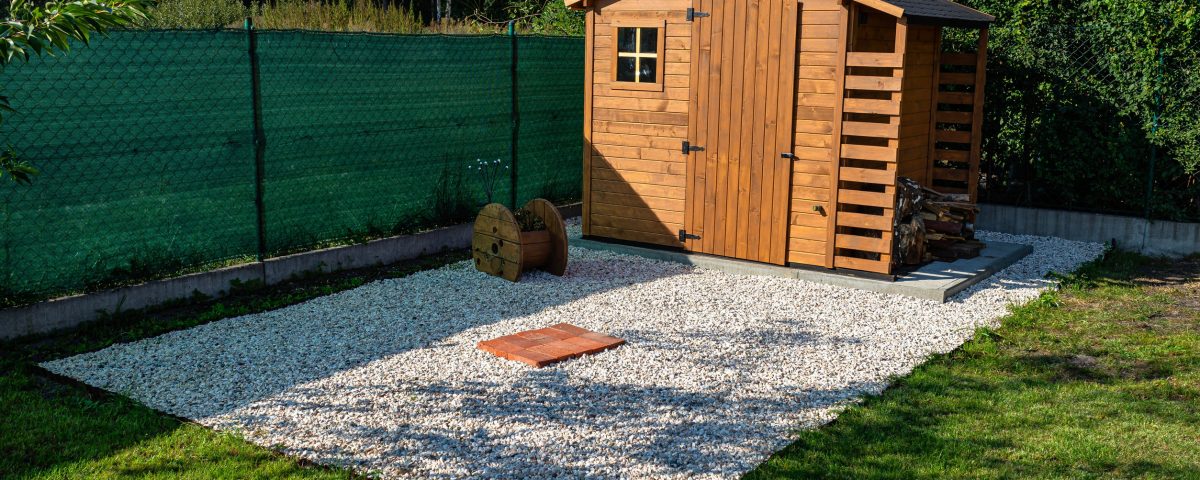
Do you need a concrete slab for a shed? Not necessarily, but you do need some kind of foundation, especially in Indiana. Between the clay-rich soil, seasonal freeze-thaw cycles, and heavy rainfall, placing a shed directly on bare ground is a recipe for rot, shifting, and long-term damage.
A concrete slab is one great option, but it's not the only one. Read on to find out which foundation is the right fit for your structure and yard.
Why Foundation Choice Matters in Indiana
Not all foundations are designed to handle everything Indiana will throw at your storage shed.
Indiana is known for its nutrient and clay-rich soil. While it’s ideal for farming, it can be problematic for buildings. This soil absorbs water and swells during particularly wet seasons and then shrinks and cracks when it dries.
That repeated movement generates fluctuating pressure on your building’s foundation, which can cause shifting or cracking if you’ve not chosen carefully. In some cases, your structure can even slowly sink into the ground over time.
Indiana's rain and snow play a crucial role in the soil's stability, as well as in other factors that can damage your shed, portable garage, or other standing structures. Excessive or standing water can lead to rot, rust, and mold. On top of this, it can cause your foundation to shift. With all of this in mind, choosing the right foundation with proper drainage isn't optional—it's essential.
What to Consider When Deciding on a Foundation
Beyond Indiana-specific factors, a few key considerations should guide your decision.
Shed Size & Weight: The larger and heavier your structure, the more robust a foundational base you will need. For example, a small garden shed may easily be able to use pavers, but a large portable garage meant to house a car may require a more sturdy concrete slab.
Budget: Gravel pads tend to be the most affordable option, followed by pavers, with concrete slabs at the higher end of the cost spectrum. Keep in mind, however, that investing in the right foundation upfront can save you significantly in repairs or replacements down the road.
Local Regulations and Requirements: Some municipalities have different requirements depending on your structure. Lafayette, Indiana, for example, requires that any shed or portable building larger than 120 feet must be on a permanent foundation that meets local zoning setback requirements. Requirements vary by city and county, so it's worth a quick call to your local building department before you start.
It’s important to keep these factors in mind when you’re looking at the different options and deciding on the best fit for your structure.
The Best Shed Foundation Options for Indiana
Concrete Slab
While it’s not the only option—and certainly not required for every situation—a concrete slab is still an excellent choice of foundation for many Indiana storage sheds and buildings.
A concrete slab is exactly what it sounds like. Concrete is poured to create a solid, permanent base for your structure. Because of the permanency of the foundation and its inherent strength, a concrete slab is known as one of the strongest foundation options—which is especially useful for bigger structures.
Pros:
- Long-lasting and durable
- Moisture-resistant
- Immobile in Indiana’s clay-rich soil
- Great for large structures or heavy loads like machinery
Cons:
- Higher cost
- Must be professionally installed for the best results
A concrete slab foundation makes the most sense if your shed or portable building is large or you plan on using it for storing or using heavy equipment. If you’re building a large shed, workshop, or garages, this may be the foundation you need.
Pavers
Pavers create a foundation using a set of interconnected patio blocks. These blocks are similar to what you would use as stepping stones in your garden. They’re placed on a bed of gravel or sand and can create a flat base for smaller sheds.
Pros:
- Visually appealing to most homeowners
- Often cheaper than a concrete slab while offering similar stability for a smaller shed
- Requires minimal site preparation for a flat yard
- Flexibility of the blocks moves with Indiana’s soil, preventing cracks while maintaining stability
- Easily repaired
Cons:
- The space must be flat, or there could be shifting in the future
- Only an option for smaller storage sheds, preferably 120-150 square feet
Pavers are a fantastic option for those who are looking to add a small garden shed or greenhouse to their yard.
Gravel Pad
A gravel pad is one of the most popular and practical foundation options for Indiana sheds. Crushed gravel is compacted into a level bed beneath your structure, providing excellent drainage and a stable surface.
Pros:
- Excellent drainage
- Affordable
- Potentially DIY-friendly
- Works for a variety of structure sizes
- Allows for easier relocation of the structure in the future
Cons:
- Requires proper edging or a border to keep gravel from spreading
- More regular maintenance is necessary
- Better for smaller structures that have less weight
A gravel pad is another great option for any small or medium-sized structure, like a storage shed, greenhouse, or chicken coop.
Foundation Options to Avoid in Indiana
Concrete Blocks or Piers
Concrete blocks or piers might seem like a quick and budget-friendly solution, but they're generally not recommended in Indiana. Because Indiana's clay-rich soil expands and contracts with seasonal moisture changes, individual blocks or piers can shift independently of one another. This uneven movement can cause your shed's floor to warp, doors to stick, and the overall structure to become unstable over time.
Pea Gravel
Many people assume all small rocks provide the same foundation, but that’s not true. Unlike crushed gravel, which compacts into a firm, stable surface, pea gravel is round and smooth. It doesn't lock together, which means it shifts underfoot and beneath your shed. While this may be great for drainage, it creates an unstable base that can allow your structure to rock or settle unevenly.
No Foundation at All
Placing a shed directly on bare ground is one of the most common mistakes Indiana homeowners make. Without a foundation, your shed floor is in direct contact with soil that holds moisture, inviting rot, mold, and insect damage. The lack of drainage also makes your structure vulnerable to frost heaving and gradual sinking.
So, do you need a concrete slab for a shed? Not necessarily, but you do need some kind of properly prepared foundation—especially here in Indiana, where the soil, rain, and freeze-thaw cycles can quickly wreak havoc on an unprepared structure. Whether you choose a concrete slab for a large garage, a gravel pad for a mid-sized storage shed, or pavers for a small backyard structure, the right foundation will protect your investment for years to come.
FAQs
Little Fawn is a local full-service lumber yard and distributor of building materials, roofing materials, storage sheds, hardware, ammo, and more.
As people that grew up in the construction industry, we understand that when you need something for a project—you need it now and can’t wait weeks for delivery! That’s why our main goal is to help you easily find what you need, get helpful advice, and receive quick delivery.
Contact us today to get what you'll need for your next building project. Don’t forget to check us out on Facebook and Twitter!