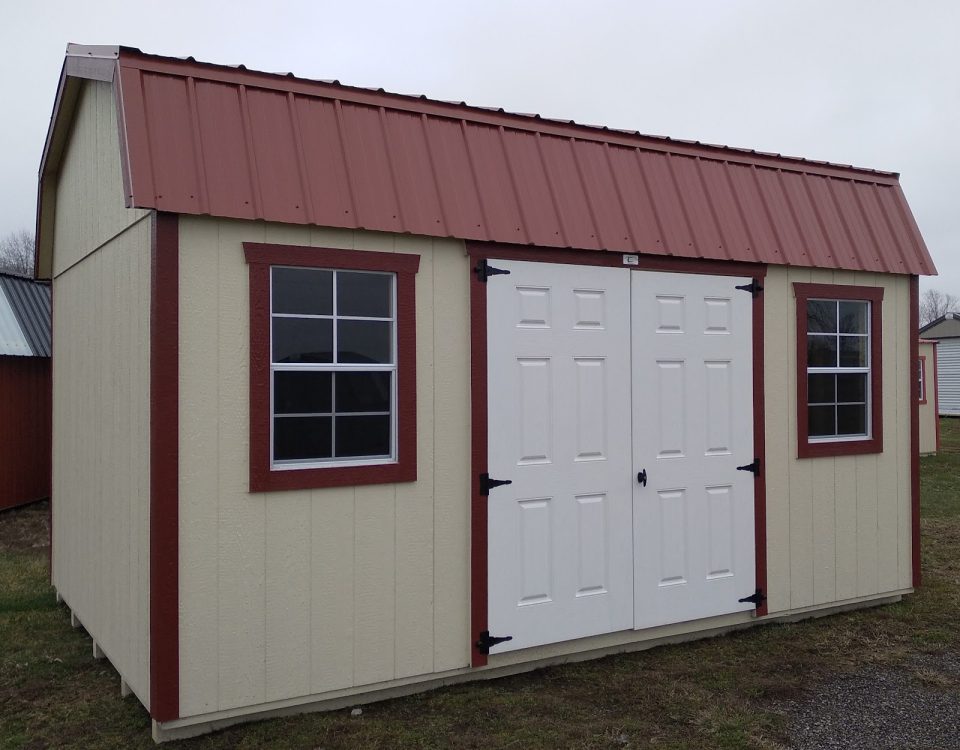
Backyard Chickens in Lafayette, Indiana: Everything You Need to Know
January 1, 2026
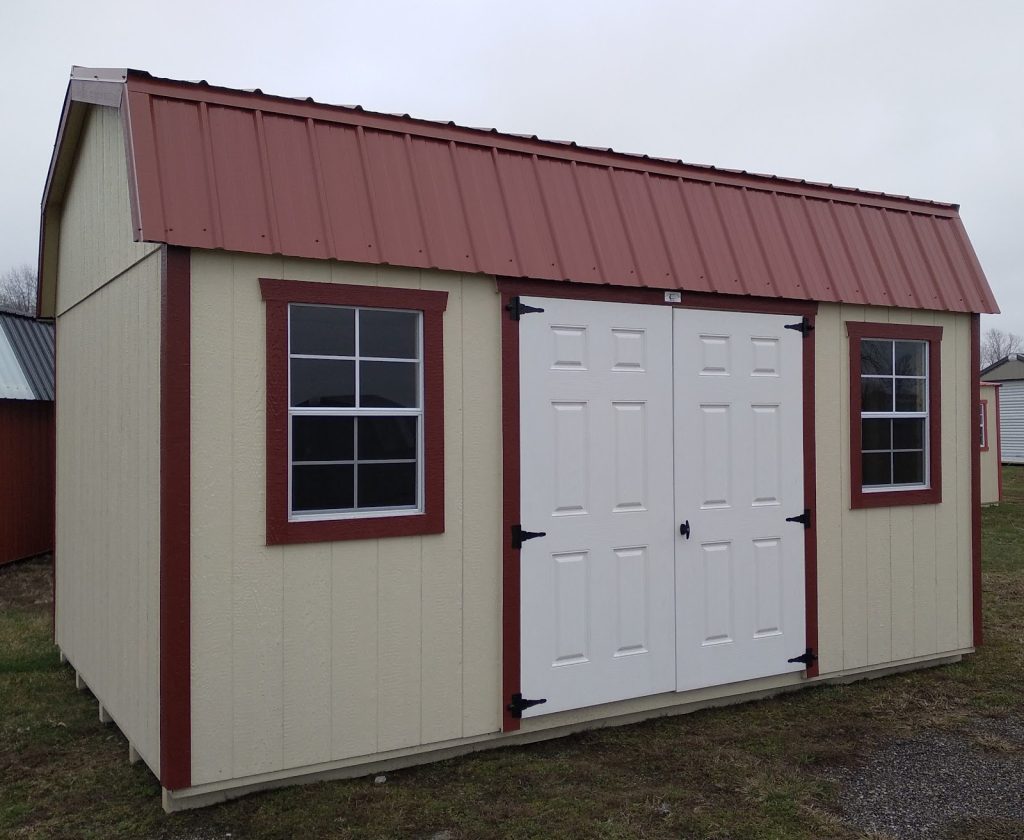
5 Spring Yard Projects that Add Value to Your Home (& Make It More Enjoyable)
March 1, 2026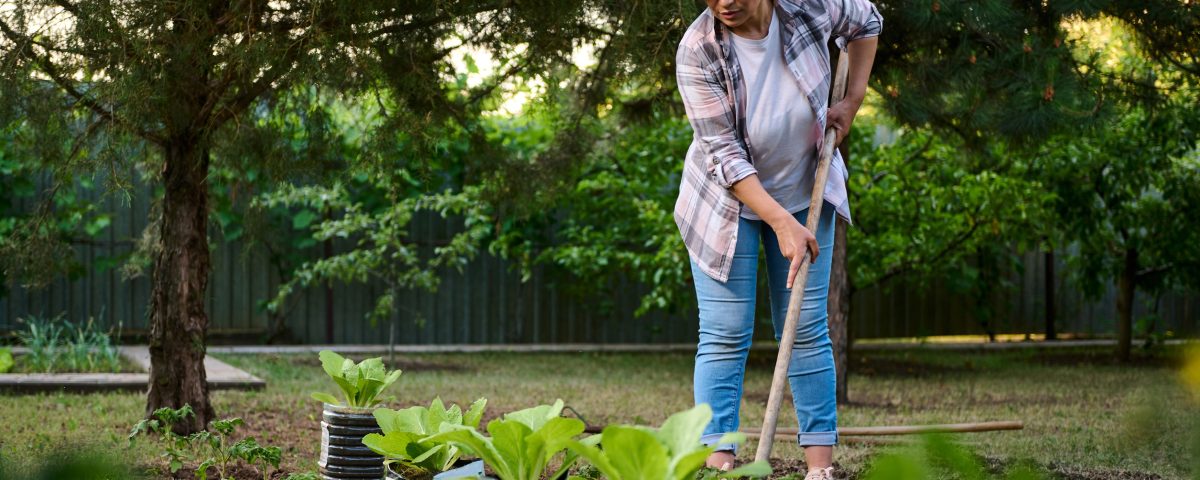
For many people, there's something deeply satisfying about stepping into your backyard and harvesting fresh eggs, picking ripe tomatoes, or snipping herbs for dinner.
With a little work and preparation, a backyard homestead can transform your outdoor space into a productive, sustainable ecosystem. Creating a backyard homestead can start with growing a garden, raising backyard-friendly animals, and adding supportive structures like greenhouses, storage sheds, and chicken coops to keep everything safe, organized, and thriving.
Whether you have a sprawling yard or a modest plot, creating your own homestead is more achievable than you might think.
What is a Backyard Homestead?
A backyard homestead is a self-sufficient space where you grow your own food, raise animals, and or embrace sustainable practices right at home. It's about reconnecting with where your food comes from and reducing your dependence on store-bought goods.
That being said, no two backyard homesteads are the same. You can pick and choose what works best for you and your space. For example, you can start small with a few containers of herbs or go all-in with chickens, greenhouses, and gardens. There's no one-size-fits-all approach, which means you can customize your homestead to fit your space, time, and goals.
How to Create a Backyard Homestead
Building a backyard homestead doesn't require acres of land or years of farming experience. It's about taking intentional steps toward self-sufficiency, one project at a time. Here are a few ways you can get started.
Start a Garden
Most homesteads begin with a garden. Planting vegetables, fruits, or herbs can create a great foundation while also providing you with delicious produce.
Even flowers can bring diversity and sustainability to your home. They aren't just beautiful—they attract pollinators that help your entire garden thrive, making them a valuable addition to any homestead.
And once you've mastered basic gardening, a greenhouse opens up exciting possibilities! Greenhouses extend your growing season, protect delicate plants from harsh weather, and allow you to start seedlings earlier in the spring. You can grow heat-loving crops like tomatoes and peppers well into the fall, or experiment with growing food year-round, depending on your climate.
Greenhouses come in all sizes, with some even including a storage shed element. Even a small greenhouse can significantly boost your homestead's productivity and help you gain more control over temperature, humidity, and pests.
Create a Sustainable Water System
No matter what you are growing or raising on your homestead, you’re going to need ready access to quite a bit of water. A sustainable water system can benefit both the environment and your budget.
Rain barrels are an excellent starting point. They collect runoff from your roof that would otherwise go to waste. Use this free water for your garden, greenhouse, and animals.
Consider installing a drip irrigation system to deliver water directly to plant roots with minimal waste. Mulching around plants helps retain soil moisture, reducing how often you need to water. If you're already feeling comfortable and ready to take the next step, a greywater system can recycle water from your washing machine or shower for landscape irrigation.
Compost and Recycle
Composting transforms kitchen scraps and yard waste into nutrient-rich soil. Instead of sending vegetable peelings, coffee grounds, and fallen leaves to the landfill, you can feed your garden extra nutrients to help your produce along.
Start a compost bin or pile in a convenient corner of your yard or invest in a quality shed or outdoor building to host all of your composting necessities.
Beyond composting, embrace a mindset of reuse throughout your homestead. Repurpose glass jars for seed storage, save egg cartons for starting seedlings, and use old pallets to build raised beds or compost bins. Homesteading naturally encourages creativity and resourcefulness.
Raise Backyard-Friendly Animals
While plants are a great start, animals bring your homestead to a whole new level! The right livestock depends on your space, local regulations, and commitment level.
Chickens
Chickens are the gateway animal for most backyard homesteaders, and for good reason. They're relatively easy to care for, produce fresh eggs daily, and their manure enriches your compost.
Before bringing chickens home, be sure to research exactly what they need and what your local regulations require. For example, some municipalities have specific chicken coop size requirements that you must follow, and certain breeds of chickens have unique needs regarding space, food, and even sunlight.
Quail
If chickens aren't allowed in your area or you're working with limited space, quail are an excellent alternative. These small birds take up minimal room—you can raise several quail in the space needed for one chicken. They mature quickly, start laying eggs at just 6-8 weeks old, and are quieter than chickens, making them ideal for urban homesteaders.
Quails do require protection from predators and weather, but a simple, quality chicken coop works perfectly. Their small size and fast reproduction rate make quail an excellent choice for homesteaders who want a quick return on their investment.
Goats
For those with more space and experience, goats offer milk, meat, and endless entertainment. Miniature breeds like Nigerian Dwarfs are popular with backyard homesteaders because they require less space than standard dairy goats while still producing impressive amounts of rich, sweet milk.
Goats are social animals that need companionship—plan on keeping at least two. They're also notorious escape artists and grazers who will eat your prized landscaping if given the chance, so sturdy fencing is essential. In addition, goats need a dedicated shelter, such as a cattle run, to protect them from rain, wind, snow, and intense sun.
Goats require more daily care than chickens and quail, including milking (if you choose dairy goats), hoof trimming, and regular health monitoring. However, the reward of fresh milk for drinking, cheese-making, and soap-making makes the effort worthwhile for many homesteaders.
Consider the Structures & Space You’ll Need
As you plan your backyard homestead, it’s important to think beyond plants and animals and consider the structures that will support everything you build. Storage sheds, greenhouses, chicken coops, and cattle runs all play a crucial role in keeping your homestead organized, productive, and protected.
Quality buildings help safeguard your tools, supplies, animals, and crops from weather, pests, and daily wear. So take the time to map out where structures will go so your homestead can grow efficiently without feeling crowded. Thoughtful placement improves workflow, simplifies daily chores, and allows room for future expansion.
Investing in durable, well-designed structures from the beginning can save time, reduce maintenance, and prevent costly replacements down the road. When your buildings are built to last, your homestead is better positioned to thrive for years to come.
Ready to Start a Backyard Homestead?
Figuring out how to create a backyard homestead is a journey that evolves as you learn and grow.
Start with one or two projects that excite you, whether that's a raised bed garden, a small flock of chickens, or even just a rain barrel. As you gain confidence and experience, you'll naturally expand your homestead to include new elements.
Your backyard homestead doesn't need to be perfect or produce everything you eat. It just needs to be yours. So grab your gardening gloves, sketch out your plans, and take that first step!

Little Fawn is a local full-service lumber yard and distributor of building materials, roofing materials, storage sheds, hardware, ammo, and more.
As people that grew up in the construction industry, we understand that when you need something for a project—you need it now and can’t wait weeks for delivery! That’s why our main goal is to help you easily find what you need, get helpful advice, and receive quick delivery.
Contact us today to get what you'll need for your next building project. Don’t forget to check us out on Facebook and Twitter!