


Carports vs. Portable Garages: Which Is Right for Your Vehicle & Property?
September 1, 2026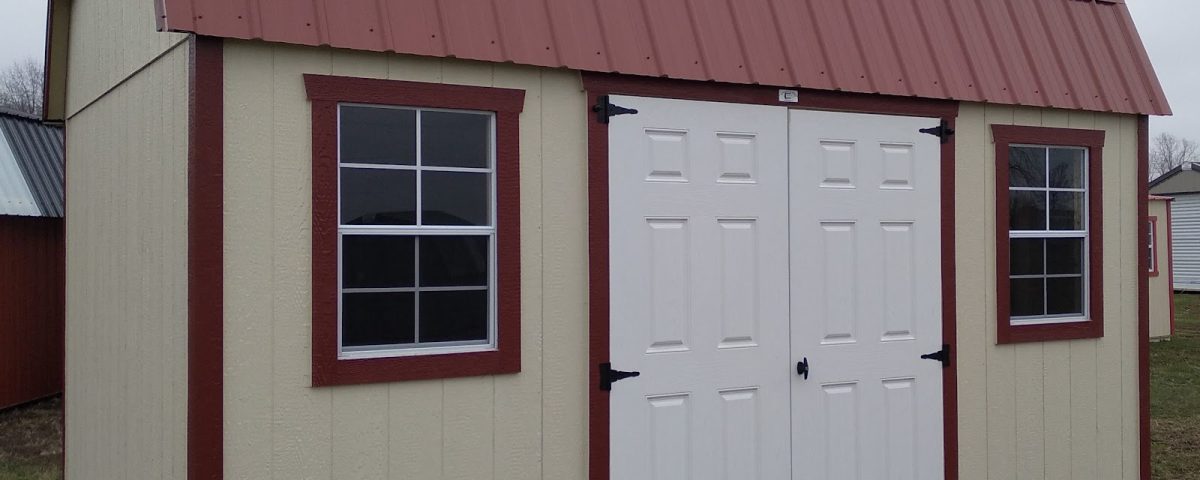
Buying a storage shed seems simple until you actually start shopping. Suddenly you're faced with decisions about size, material, permits, and placement, and it's easy to feel overwhelmed before you've even picked a style.
This storage shed buying guide walks you through every step of the process, from understanding what your city or HOA will allow to getting your new shed properly installed on your property.
Understand Local Regulations
Before deciding on a storage shed, it's worth finding out what you're actually allowed to build. Many municipalities regulate structures based on size, height, and even distance from property lines, and homeowners associations often add their own layer of rules on top of that.
Some jurisdictions exempt small sheds under a certain square footage from permitting requirements entirely, while larger structures may need a building permit, an inspection, or both. For example, in Lafayette, Indiana, you typically don’t need a permit for a shed less than 120 square feet. However, anything larger than that or on a permanent foundation does require a permit.
Calling your local zoning office or checking your city’s and HOA’s websites early in the process can save you from purchasing a shed you later have to modify, relocate, or remove.
Narrow Down the Size & Purpose
Once you’ve reviewed the legal requirements, there are a few considerations to make when narrowing down what kind of storage shed fits your needs.
Shed’s Purpose
It’s unlikely you’re looking at storage sheds just to have one. Think honestly about what you need the shed to do, both right now and down the road. A shed meant to hold a lawnmower and some garden tools has very different requirements than one intended to be used as a workshop or a home office. If there's a chance your needs will grow, it often makes sense to size up now rather than outgrowing your shed in a year or two.
Shed’s Size
Once you know roughly what the storage shed will be used for, you can finalize the size you’ll need.
- Small storage sheds are typically around 6x8 or even as small as 36 square feet. They are best suited for storing the basics for your yard—hand tools, a small push mower, bikes, etc.
- Medium storage sheds typically fall in the 10x12 to 12x16 range. They give you enough room for a small workshop, larger lawn equipment, or a mix of storage and workspace.
- Large storage sheds are considered anything larger than 12x16. However, when you get closer to the 24x32 range, you may want to consider a portable garage instead. These sheds can function more like a small structure and work well for those planning a home office, studio, or serious workshop setup.
The purpose you settled on earlier should guide what size of storage shed you end up with. It's smart to plan for about 25% bigger than you currently need, since tools, equipment, and storage needs tend to grow over time, and it's far easier to buy the right size upfront than to outgrow a shed in just a couple of years.
Your space plays a role here too. A smaller lot or a tight side yard may limit how large a shed you can realistically fit and still leave room for a delivery pathway, landscaping, and any required setbacks from your house or property line. Before settling on a size, it's worth measuring your available space and factoring in those constraints alongside your storage needs.
Legal Limitations
Again, consider what you learned about local regulations and let it inform your size and placement decisions. If your city caps storage sheds at a certain square footage or requires a specific setback from your property line, that will directly affect which shed sizes and locations are realistic for your yard.
Decide on the Building Materials & Features
With a size and purpose in mind, it’s time to compare the shed building materials and features to make sure you find the right one for your specific needs.
Building Materials
The different materials used to build a storage shed can have a major impact on its use, longevity, and price.
Wood Sheds
Wood sheds are naturally sturdy and can last for decades when properly cared for. However, they're more vulnerable than metal to rain and pest damage, so regular sealing, painting, and pest protection matter. In exchange, wood offers far more room for customization, from siding style to doors, windows, and paint color, making it easier to match a rustic, cottage, or traditional look that blends with existing landscaping.
Wood also insulates better than metal, which helps if you plan to spend time inside the shed or store anything sensitive to temperature swings. That flexibility and comfort usually come at a higher price, both in upfront materials and long-term maintenance.
Metal Sheds
Metal sheds hold up well against harsh weather and are far less likely than wood to suffer rot, insect damage, or warping, and many models offer added fire resistance. They generally require little upkeep and can outlast wood sheds over time, though an untreated metal surface can eventually rust.
On the downside, metal sheds tend to have a plainer, more utilitarian look with limited color and design choices, and they don't insulate well, meaning the interior can swing hot in summer and cold in winter. They're also typically the more budget-friendly option upfront, and their low maintenance needs can make them cost-effective in the long run.
Building Quality
Material type isn’t the only element that matters. You also need to compare the quality of these materials and of the building process itself.
Big box store sheds are often mass-produced and delivered flat-packed for on-site assembly, which can mean lower upfront costs but oftentimes weaker, lower-quality materials. Amish-built sheds are typically constructed by hand using higher-grade lumber and high-level craftsmanship, and then delivered fully assembled.
By choosing a shed expertly built using quality metal, wood, and other materials, you ensure that your building will withstand environmental factors as well as your daily wear and tear, allowing it to better protect your items and stand the test of time.
Customization Options
Sometimes, you may have very specific needs for your storage shed. Maybe you need double doors to help you maneuver larger equipment or additional windows for lighting what will be your home office space. These elements aren’t always included in base models.
Many shed builders offer customization that can help accommodate these needs, including additional windows, shelving, loft space, ramps, extra doors, and upgraded siding or roofing materials. Thinking through customization early lets you build a shed that fits your specific use case rather than retrofitting one later.
Aesthetic
Your shed will likely be visible from your house, your yard, and possibly the street, so it's worth choosing a style, color, and roofline that complements your existing property. In fact, some HOAs require all extra buildings to match your home’s exterior. Many providers offer siding and trim options that mirror popular home exteriors, making it easier to find a shed that looks like it belongs rather than one that stands out for the wrong reasons.
Prepare Your Space
With your shed selected, the next phase is getting your property ready.
Follow Local Regulations
This is another point where local rules come back into play. Some HOAs require sheds to sit a certain distance from the house or from property lines, and your municipality may have similar setback requirements of its own. Before you finalize a location, confirm it’s within these requirements and that you have any necessary permits in hand so you're not left correcting placement after the fact.
Measure & Clear the Area
Once you have the proper permits in place, it's time to measure the area where your shed will be located. You’ll want to consider the width, depth, and height of the area to ensure the storage shed fits properly.
Because some sheds have an eave overhang, it’s recommended that you have a minimum of 14 feet for a 12-foot-wide shed and 12 feet for a 10-foot-wide shed.
Once you’ve calculated the space you need for your shed, clear the area by removing any rocks, sticks, and other debris that could impede construction. Cut down any low-hanging branches and remove any plants or bushes that may get in the way. This will help create a clean surface for your shed and save you from potential headaches down the line.
If you’re having your storage shed delivered, don’t forget to clear a pathway to your desired location. A tight side yard or overgrown gate can turn a straightforward drop-off into a logistical headache.
Create a Level Base
Not all storage sheds require a concrete slab foundation. However, they do all require a solid, level base. Depending on the shed’s size and weight, your budget, and local requirements, there are a variety of foundations you can choose from, including:
- Concrete Slab: Concrete is poured to create a solid, permanent base for your structure. This is one of the strongest foundation options and is commonly recommended for large storage sheds.
- Pavers: These interconnected patio blocks are placed on a bed of gravel or sand and create a flat base for small storage sheds.
- Gravel Pad: Crushed gravel is compacted into a level bed beneath your structure, providing excellent drainage and a stable surface.
Regardless of which option you choose, it’s important to have some sort of foundation for your storage shed. Skipping this step can lead to drainage issues, shifting, and premature wear on the structure.
Prepare for Utilities
If you plan on using your storage shed beyond general storage, you may need to consider access to utilities such as electricity and water. If you need electricity, determine if there is an existing power source nearby or if you need to plan for electrical installation separately. You may also need to run water and sewage lines if you plan to have a sink or toilet in the structure.
By properly preparing the utilities on the site before your storage shed arrives, you can ensure a safe and efficient installation process, minimize the risk of accidents or damage, and ensure your storage shed is fully functional from day one.
Install Your Storage Shed
Once you have your storage shed selected and your location prepared, you need to consider the process of installing it on your property.
If you plan on transporting the shed yourself, be sure to have access to a vehicle large enough to appropriately secure all of the materials. If you're having your shed delivered by the provider, coordinate a delivery time and be prepared to help unload materials, since not doing so can sometimes result in additional costs.
Thanks to your preparation, installation should be relatively simple. Be sure to have people at the site to help you place your shed exactly where you want it to go.
Following the steps in this storage shed buying guide, from checking local regulations to preparing your site for delivery, will help ensure the process goes smoothly from the first phone call to the final placement in your yard.
FAQs
Little Fawn is a local full-service lumber yard and distributor of building materials, roofing materials, storage sheds, hardware, ammo, and more.
As people that grew up in the construction industry, we understand that when you need something for a project—you need it now and can’t wait weeks for delivery! That’s why our main goal is to help you easily find what you need, get helpful advice, and receive quick delivery.
Contact us today to get what you'll need for your next building project. Don’t forget to check us out on Facebook and Twitter!

